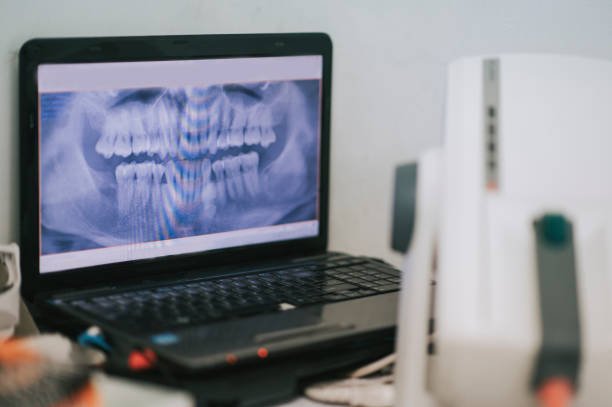
Dental implants have turned out to be the gold standard for replacing missing teeth due to the fact that they don’t just restore function and appearance; in addition, they also play an important role in preventing similar bone loss. In this newsletter, we’ll dive deep into how dental implants engage with bone, why bone loss happens, remedy options while bone has already deteriorated, and what you may do to defend your oral health for the long term.
Understanding Bone Loss After Tooth Loss
The jawbone is a living tissue that continuously remodels itself based totally on the stimulation it receives. When natural enamel is present, the roots transmit chewing forces into the bone, retaining it robust and healthful.
When a enamel is misplaced, that stimulation disappears. Without the basis, the bone no longer receives the alerts it desires to stay dense. As a end result, the bone begins to break down.
Here are a few key records of approximate bone loss after enamel loss:
- It starts offevolved speedy. Within the primary yr of dropping a tooth, up to 25% of bone width may be misplaced.
- It continues over time. Bone top additionally decreases, mainly within the lower jaw.
- It affects more than seems. Bone loss can trade the shape of the face, make dentures unfastened, and restrict alternatives for future dental paintings.
If more than one enamel are missing, the problem compounds. Eventually, people can broaden a sunken facial appearance, problem chewing, and even speech issues.
How Dental Implants Prevent Bone Loss
Unlike bridges or dentures, dental implants are designed to imitate herbal tooth roots. They are small titanium posts (or zirconia in a few instances) surgically positioned into the jawbone. Once placed, they combine with the bone thru a procedure called osseointegration.
Here’s why implants make one of these large difference:
- They repair natural stimulation. Just like a enamel root, an implant transmits chewing forces into the bone. This encourages bone cells to regenerate and remain strong.
- They stop the cycle of resorption. Without that stimulation, the bone shrinks. With an implant, the bone stabilizes.
- They guide facial shape. Implants assist preserve the herbal contours of the face, preventing the “collapsed” appearance that often develops with long-term tooth loss.
In short, implants don’t simply update tooth—in addition they help maintain the inspiration below them.
Can You Get Dental Implants if You Already Have Bone Loss?
One of the most commonplace worries humans have is whether bone loss guidelines out the possibility of having implants. The good news: in lots of instances, it doesn’t.
While giant bone loss could make implant placement extra difficult, contemporary dentistry offers several answers.
1. Bone Grafting
This is the maximum common approach. In a bone graft, cloth is brought to the jaw to rebuild the lost bone. The graft may additionally come from your own body, a donor source, or synthetic substances. Over time, the graft fuses together with your natural bone, growing a more potent foundation for an implant.
2. Sinus Lift
When higher returned tooth are missing, the bone underneath the sinus may also cut back. A sinus raise involves lightly raising the sinus ground and adding bone graft cloth so implants may be located securely.
3. Ridge Augmentation
If the ridge of the jaw has collapsed, it may be rebuilt with grafting techniques, taking into consideration more herbal implant placement.
4. Zygomatic Implants
In cases of excessive upper jaw bone loss, unique lengthy implants may be anchored into the cheekbone (zygoma) rather than the jaw. These are greater complicated however can offer a solution while conventional implants aren’t possible.
Dental Implants vs. Other Tooth Replacement Options
To understand why implants are so valuable in preventing bone loss, it allows to compare them with other options.
Dentures
Dentures update lacking teeth above the gumline however do nothing for the bone under. In reality, carrying dentures can accelerate bone loss because they put strain at the gums rather than stimulating the bone. Over time, dentures loosen because the bone maintains to shrink, requiring frequent adjustments.
Bridges
Dental bridges use neighboring enamel for aid. While they restore chewing feature and aesthetics, they don’t update the lost root. This means the bone beneath the missing enamel maintains to resorb.
Implants
By appearing like herbal roots, implants uniquely prevent bone loss. They also remaining longer, don’t depend on neighboring enamel, and offer a extra solid answer.
What Happens if Bone Loss Isn’t Treated?
Bone loss doesn’t just prevent on its own—it progresses. If left untreated, it may purpose:
- Facial modifications: A sunken appearance, wrinkles around the mouth, and a prematurely aged look.
- Difficulty consuming: Chewing tougher foods will become a assignment.
- Loose dentures: Without a solid ridge, dentures can slip and motive soreness.
- Limited treatment options: The longer bone loss continues, the more difficult it will become to place implants later.
This is why addressing tooth loss quicker in place of later is so vital.
Steps to Protect Your Bone and Dental Implants
Whether you have already got implants or are considering them, right here are some ways to guard your bone health:
- Replace missing enamel quick. The sooner you get an implant after teeth loss, the much less bone is misplaced.
- Quit smoking. Smoking is one of the leading reasons of implant failure.
- Manage fitness conditions. Keep diabetes and other systemic troubles underneath manage.
- See your dentist often. Professional monitoring facilitates capture problems early.
- Eat a bone-healthy weight-reduction plan. Calcium, diet D, and protein all aid bone health.
Myths About Dental Implants and Bone Loss
- “If I’ve misplaced bone, I can’t get implants.” Not genuine—bone grafting and superior techniques frequently make it feasible.
- “Dentures are simply as properly as implants.” While dentures replace enamel, they do no longer stop bone loss.
- “Implants continually last a life-time.” Implants can last many years, however most effective with correct care. Bone loss round implants can nonetheless occur if oral health is omitted.
The Emotional Impact of Bone Loss and Implants
Beyond the technological know-how, bone loss and lacking teeth affect self belief, social interactions, and common high-quality of lifestyles. Many human beings with teeth loss sense self-conscious about smiling or consuming in public. Dentures that slip can upload to the frustration.
Dental implants provide more than only a dental fix—they restore normalcy. Being capable of chunk with ease, smile clearly, and speak with out fear has a profound effect on emotional properly-being.
The Future of Implants and Bone Preservation
Dental technology continues to boost. Researchers are exploring new biomaterials, increase elements, and stem cell approaches to decorate bone regeneration and make implants feasible in greater cases. Digital planning and three-D imaging also allow for extraordinarily particular implant placement, lowering risks and improving consequences.
The fashion is apparent: implants are becoming extra accessible, extra predictable, and even higher at maintaining bone than ever earlier than.
Final Thoughts
Bone loss is one of the hidden however extreme effects of tooth loss. Left untreated, it is able to affect now not only oral feature however also facial appearance and self-self belief. Dental implants offer a completely unique solution due to the fact they don’t just update missing enamel—additionally they help keep the bone beneath the surface.
Even if bone loss has already began, current techniques like bone grafting and sinus lifts regularly make implants viable. With right care, implants can last for many years, offering both stability and protection for your jawbone.
If you’ve lost a teeth—or several—the high-quality step you can take is to visit a dental professional sooner in place of later. Acting early can limit bone loss, expand your treatment options, and assist you revel in a wholesome, assured smile for years yet to come.